

As I got ready to go hunting on a cold Montana morning in November, I contemplated my clothing layers. What is best? Putting your socks on before your bottom base layer or putting them on after and over the top to hold your base layer pants down. I decided that I liked them under my base layer pants that morning, but next time I may change my mind!
With years of experience participating in cold-weather activities, including but not limited to hunting, downhill skiing, cross country skiing, snowshoeing, hiking, running, and horseback riding, I thought I’d share what I’ve learned when it comes to staying warm.
If you’re not appropriately dressed, participating in cold weather outdoor activities can be miserable and even dangerous.
The outdoor activities mentioned above, and many others, require some level of exertion, but layering is also good for more sedentary activities. The only way to have both a safe and enjoyable time is to make sure you’re wearing the proper clothing.
Layering for outdoor activities is not complicated, but it does take some trial and error to find what works for you. However, there are some basic tenets to follow to keep it simple. There is no reason to be miserable all winter. So find an outdoor activity and get outside!
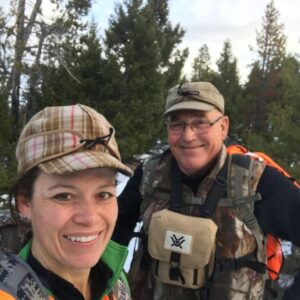
What is layering?
Layering means having several layers of clothing that can be taken on and off, as needed, to ward off the cold. Experienced outdoor enthusiasts know the value of clothing layers because it makes recreating in the cold more enjoyable and safer. Frostbite and hypothermia are real, so knowing how to layer for the outdoors properly can be a matter of life and death.
When you are outside exerting yourself, you sweat. Sweat is your body’s way of keeping you cool, but it can become dangerous if not managed when it is cold outside. If you’re moving, you’re staying warm, but if you stop and sit, you’ll likely get cold. With different layers of clothes, you can take them on and off as needed.
Clothing Layers for the Outdoors
You often won’t have an outside heat source, like a heater or fire, to keep you warm when recreating outdoors. Thus, you must rely on your body heat and keep it trapped against you. However, even though it seems counterintuitive, you can quickly get hypothermia if you’re exerting yourself and sweating. Therefore, you must be able to wick sweat away from your skin so it can evaporate. It’s a simple and complex concept all at once!
Typically, you’ll want to follow the three-layer principle for clothing layers for the outdoors:
- Base layer – Wicking
- Mid-layer – Insulation
- Outer-layer – Protection
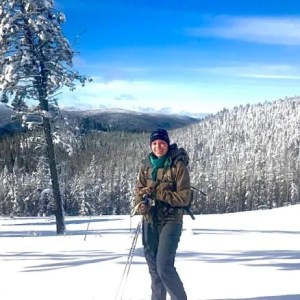
Base Layer
The base layer is what sits against your skin and helps wick away sweat. It’s a critical layer, and you want to make sure you are wearing a base layer made of materials designed to do precisely that. You don’t want to get too hot and sweaty because you can get cold quickly if you stop moving due to damp fabric against your skin.
Don’t Wear Cotton
The biggest “don’t” to clothing layers for outdoor activities is to wear cotton. Cotton does not wick sweat well. Instead, it absorbs it and then holds it against your skin.
Imagine if you got a blanket wet and wrapped yourself in it in freezing weather.
It’s the same thing if you have a cold, wet, cotton t-shirt against your skin, which is a fast way to get hypothermia. Instead, go for a base layer made of merino wool or a performance material designed to wick the sweat away from your skin so it can evaporate easier. The nice thing about merino is it also helps keep your garments from stinking as you sweat in them.
Types of Base Layers
When it comes to tops, I recommend a half or quarter zip rather than a crew neck. I prefer these because they give you some added venting if you’re getting really hot and have already stripped down to the base layer. Unzipping the zipper can allow in some additional air. Then as you cool off, zip it back up!
You’ll want a base layer top, but depending on the outdoor activity you are doing, you’ll likely want a good base layer bottom as well.
Paradox makes my absolute favorite base layer garments. They are a polyester, merino, spandex blend, and I’ve had excellent success with them. I have both the performance bottoms and the ¼ Zip Performance top. Actually, who am I kidding? I have multiples of each. They are also much cheaper than some of the expensive brands out there, but the bottom line is no matter what you spend, a good performance base layer will make a world of difference in keeping you warm, comfortable, and safe.
Along with a top and bottom layer, socks are another critical component to layering. The same principles apply in that cotton is terrible, and sweaty feet lead to wet socks, leading to cold feet. As with the other base layers, a good merino blend or wool sock is a good bet.
I love Darn Tough. They’re made in Vermont and come with a lifetime warranty. I used to be a fan of SmartWool but found they aren’t made like they used to (and they’re made in China). I wear through them faster than Darn Tough, and there is no warranty. And yes, I’ve tried out the warranty and it works.
Mid-Layer
The mid-layer is where much of your warmth comes in and is one of the most important clothing layers. There are many different types of mid-layers but remember, no cotton.
Typically, you don’t need a mid-layer bottom, but there are a few exceptions. First, your lower half doesn’t get as cold or need as much insulation as your core. If your outdoor activities are strenuous and you’re sweating and moving a lot, you won’t want the added bulk of a mid-layer. However, if you’re sedentary, like sitting in a duck or deer blind, or as a spectator for an outdoor sport, you will likely appreciate an extra layer of insulation. Consider it if you won’t be utilizing a lot of your body heat to keep you warm.
Many of the features of a good mid-layer come down to personal preference. My personal favorite is microfleece. Some people prefer heavier wool mid-layers or blends. Down may even be a good option, and depending on your shell layer, it can serve as either a mid-layer or an outer layer. More on that later. If you’re doing something like running, your mid-layer may be very light. Much will depend on the activity you’re doing.
A good mid-layer may be a pullover or a full zipper. It does come down to personal preference, but at the very least, it must wick sweat away. Once the sweat is wicked away from the base layer, it hits the mid-layer. A good one will also have wicking abilities to keep moving moisture outward so it can evaporate.
Outer Layer
An outer layer, often called a shell, is the final layer. The typical shell is designed to repel rain or snow and to keep the wind from penetrating. These are things like snow pants, windbreakers, parkas, or raincoats.
The exception may be that a down coat is used as the outer layer. Or, a fourth layer may be used, and that’s where a 1,2,3 system gets a bit gray. For example, when I hunt, I wear a base layer, a mid-layer fleece, and then I’ll put on a lightweight down jacket if I’m sitting and glassing (looking through my binoculars for wildlife). If it starts raining, I’ll put on a rain jacket, thus adding a fourth layer, but if a down jacket isn’t necessary, then the rain jacket becomes the outer layer.
An outer layer also serves to maintain warmth. Since you’re not relying on outside heat, it’s your body heat that keeps you warm, and you must trap the heat if you’re not moving.

Gloves, Neck Gaiters, and Hats
When it comes to clothing layers, you must not forget hats, gloves, and neck gaiters when it comes to staying warm in cold weather. You usually won’t need to layer these, but they are still critical to keeping warm. You’ll want to be able to take them off if you get too hot, then put them back on if you stop and cool off.
Gloves
A lighter glove is good if you are working out hard, like cross country skiing or snowshoeing, because your hands will stay relatively warm just from the workout.
However, if you’re going to stop for a prolonged time, you may want a heavier glove that can better keep in the heat. In this instance, you may also want to consider hand warmers to put in your gloves.
When I hunt, I carry two types of gloves. I have a light pair for hiking and a heavy pair when I’m sitting still. I will add hand warmers if it’s really cold.
Neck Gaiters and Scarves
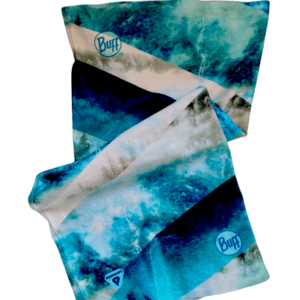
Much of the heat in your body escapes from the back of your neck. Therefore, a good neck gaiter can make a world of difference. I prefer a Buff neck gaiter, as they are made for outdoor enthusiasts. They come in a wide range of colors and patterns and can be worn in various ways.
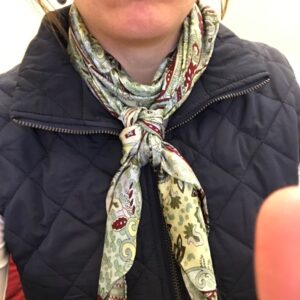
I also will wear a silk wild rag sometimes. This is a carryover from my cowgirl upbringing, but there is a reason cowboys and cowgirls wear them. They keep warmth in and can also be pulled over your face if necessary. A bonus is that they make a great arm sling or fashion a brace if someone breaks a limb in the backcountry!
Winter Hats
Finally, heat also escapes out the top of your head. Not only does a hat keep your ears warm, but it also helps keep in body heat. A headband will keep your ears warm and is often used when doing activities with high aerobic exercise, like skate skiing or running.
I have many different hats I use for various activities. I use a headband for running, beanies for skiing, and a Stormy Kromer (I LOVE Stormy Kromer) for hunting.

Footwear
Finally, let’s not forget footwear. I’m not going to touch on this heavily since it will largely depend on the activity you’re doing. However, remember that the heat your body generates needs an air pocket, so you don’t want your footwear to be too tight. Additionally, you may not want a lot of insulation if you’re going to be moving a lot.
Wear a good moisture-wicking sock, and consider packing an extra pair if you’re going to be sweating, then sitting a lot. Again, this often happens when hunting in cold weather. If you’re sweating, your sock is getting wet, and wet equals cold. Changing your socks when they get wet from sweat can help keep your feet warm.
Final Thoughts on Clothing Layers
The number of clothing layers you wear and the types you choose for your outdoor activities largely depend on the activity you’re doing and how much you will be exerting yourself.
When you’re moving a lot and don’t plan to stop much, go with lighter layers and wick sweat away from your body.
If doing a combination of moving and sweating, then sitting, you’ll want to carry a combination you can take on and off as necessary. The point is to keep the sweat minimized and wicked away from your body to evaporate.
If you’re going to be sedentary, then add the layers. Wool and down are excellent options.
There is no reason to sit inside and be miserable because it gets dark early, and it’s cold out. Take a hint from the Norwegians. They say the key to surviving winter is getting outside, wearing the proper clothing, and drinking lots of hot liquids. So get out there and don’t just survive winter, but thrive in it!
 Public Relations